Inle: Life Afloat
Inle: Life Afloat is an independent passion project and visual study dedicated to preserving cultural heritage through immersive 3D world-building. This project was inspired by the real life situations of Intha People from Inle Lake, Shan State, Myanmar.
Self Initiated Projects
Project Overview
My Role: Creative Director / 3D Spatial Artist
Context: Self-Directed Passion Research
Core Disciplines: 3D Environment Design, Cultural Visual Archiving, Sound Spatialization
Team Members: Kaung Thant (Maverick), Zeus
Tools Used: Blender (Cycles), Capcut
Inle: Life Afloat Animation
This project represents a 1.5-year evolution driven by intensive cultural research, constant structural remodeling, and deep environment testing. Initiated entirely as a solo venture, the first 12 months were spent framing the core geometry, cultural accuracy, and baseline layouts. At the one-year mark, Zeus joined the pipeline, acting as a collaborative accelerator to help refine assets, flesh out secondary details, and bring new narrative scenes to life for the final render sequence.
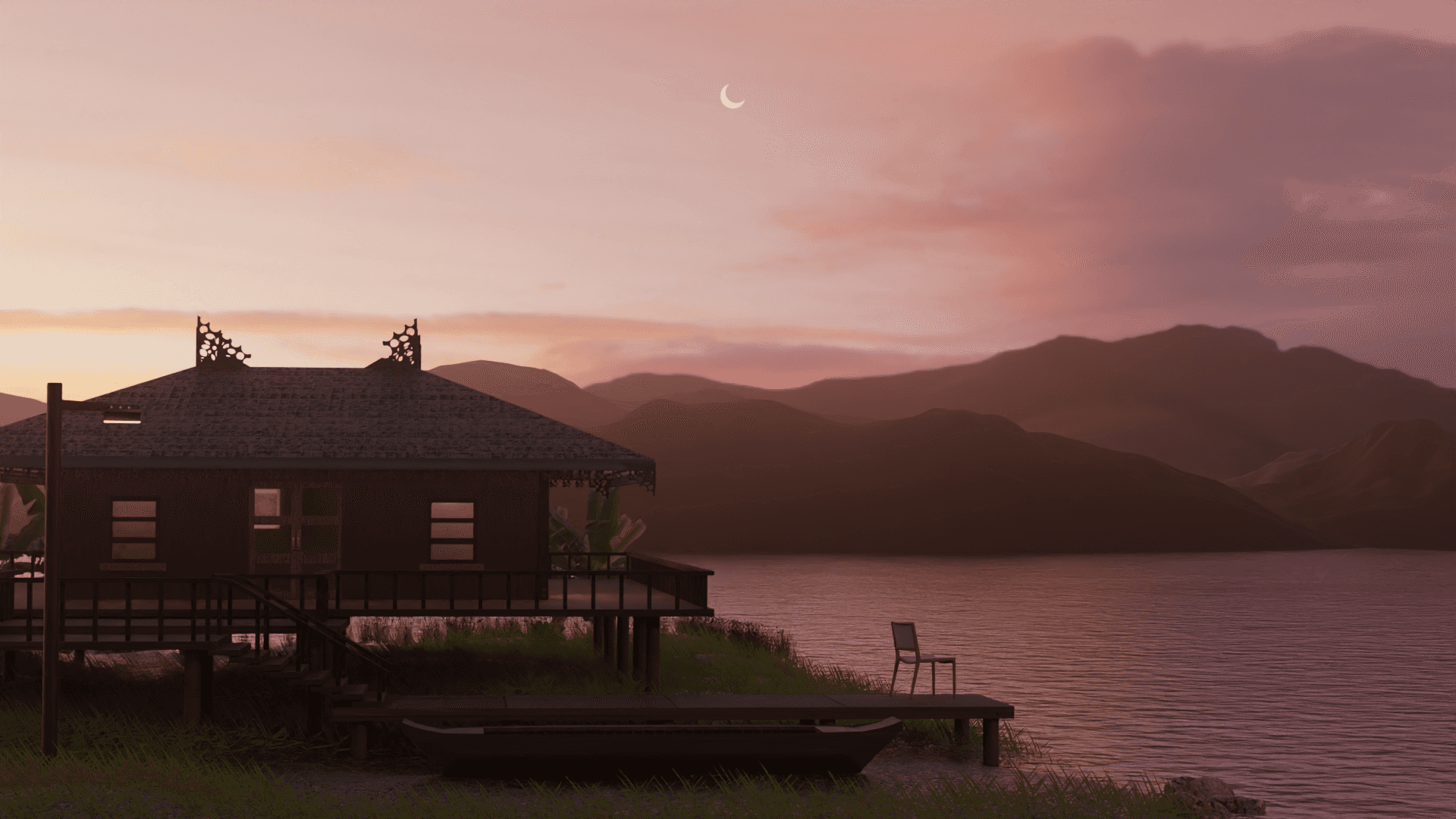
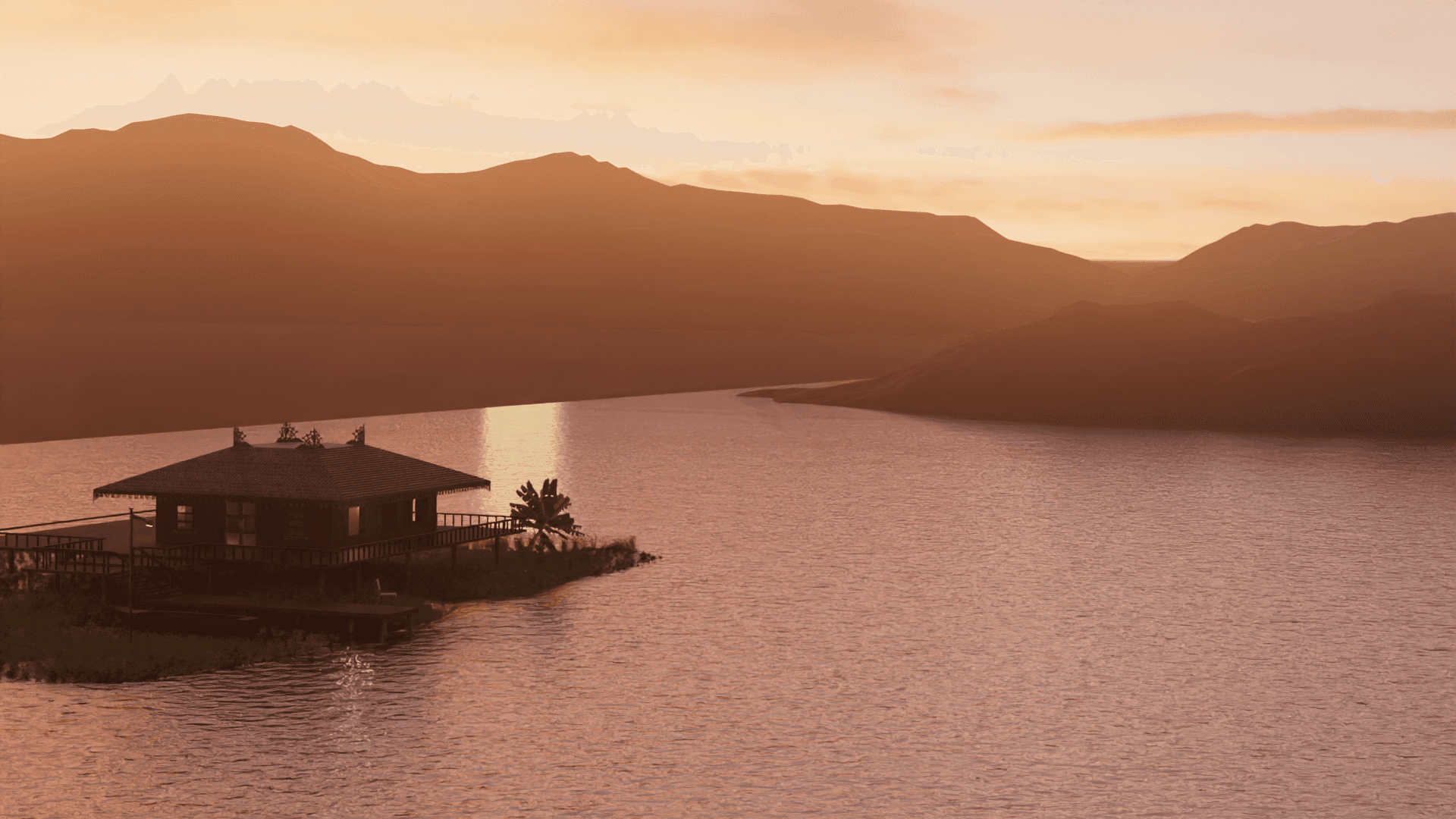
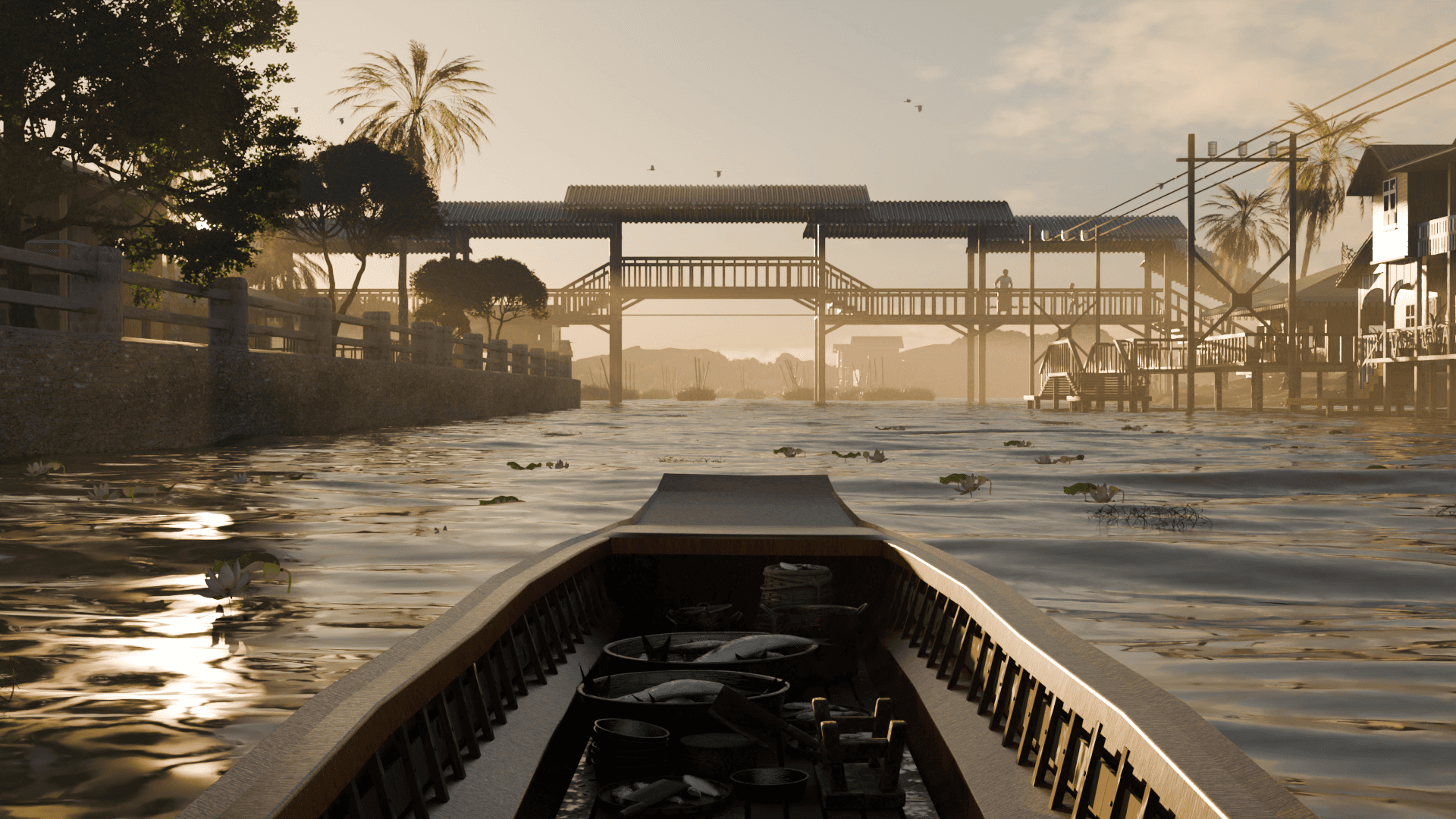
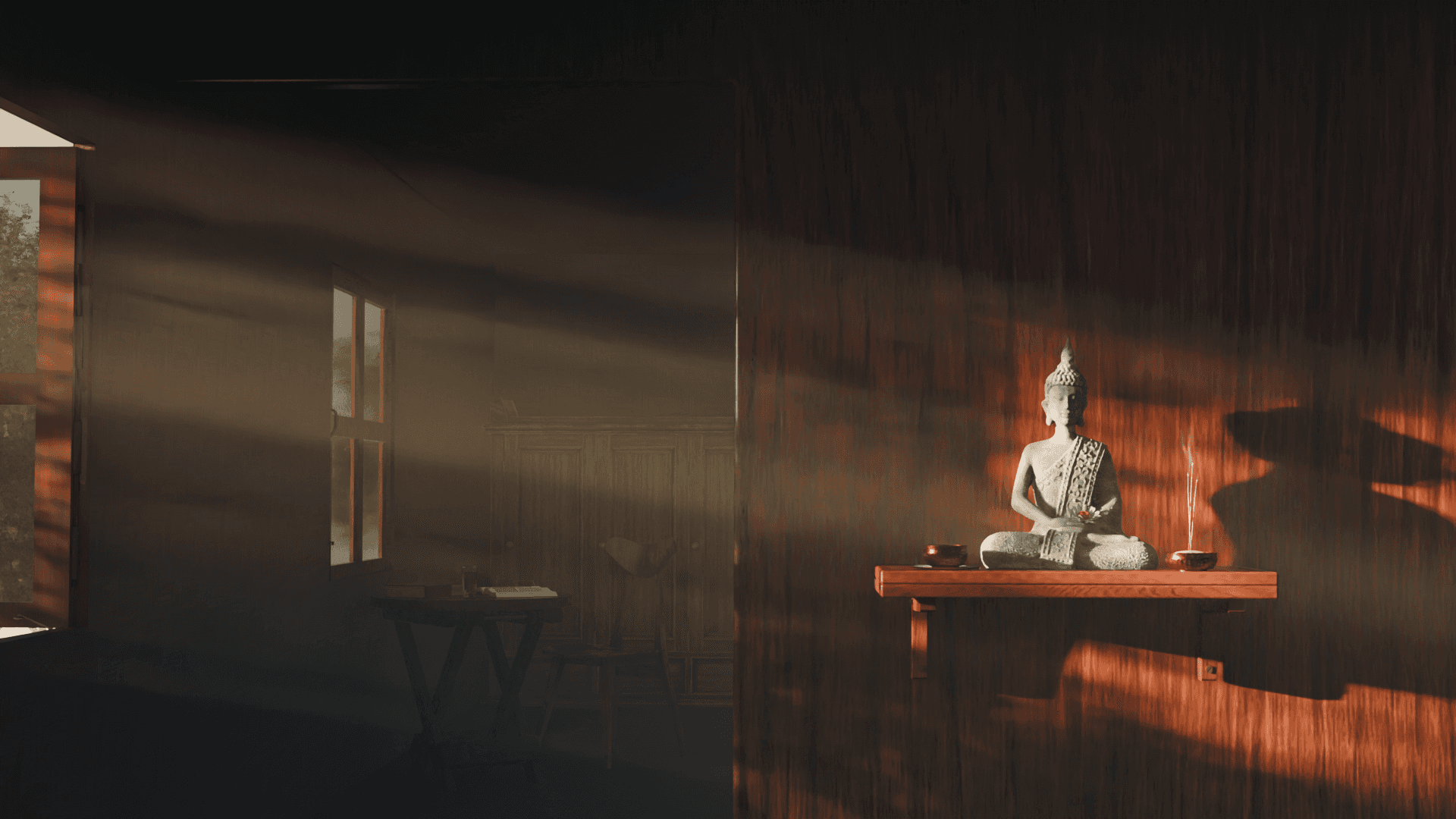
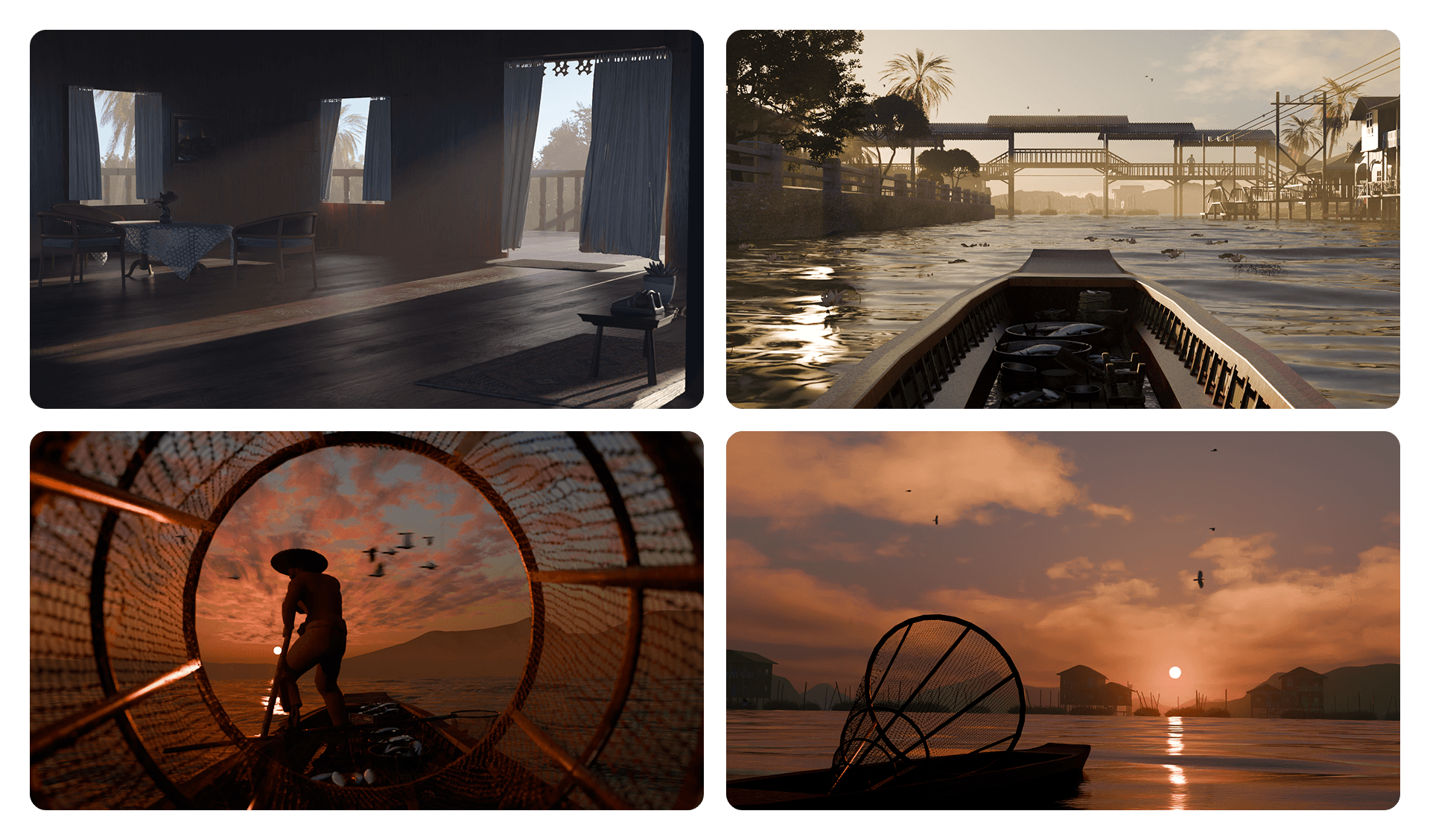
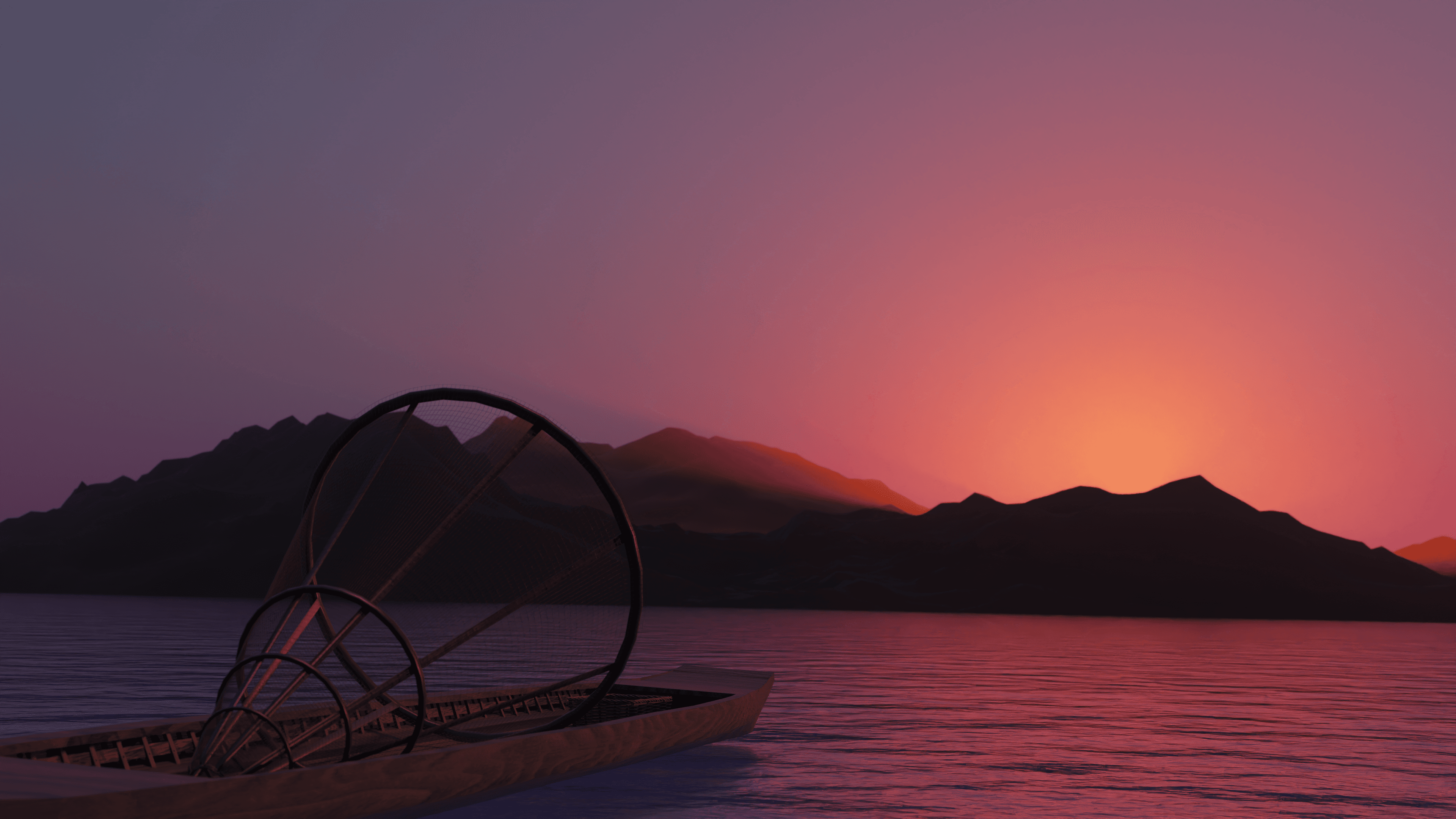
Cinematic Still Frames
Research and Mood board
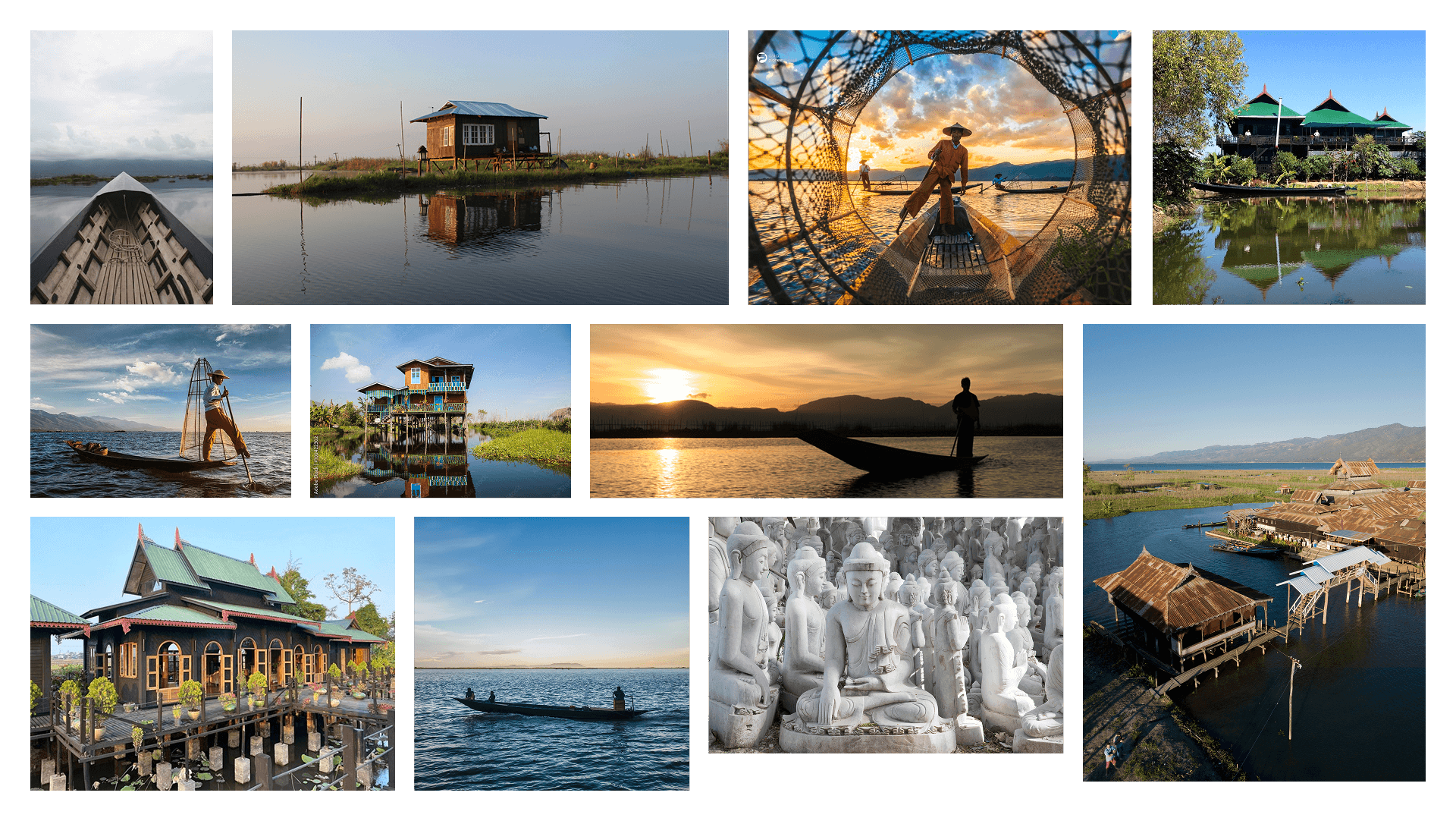
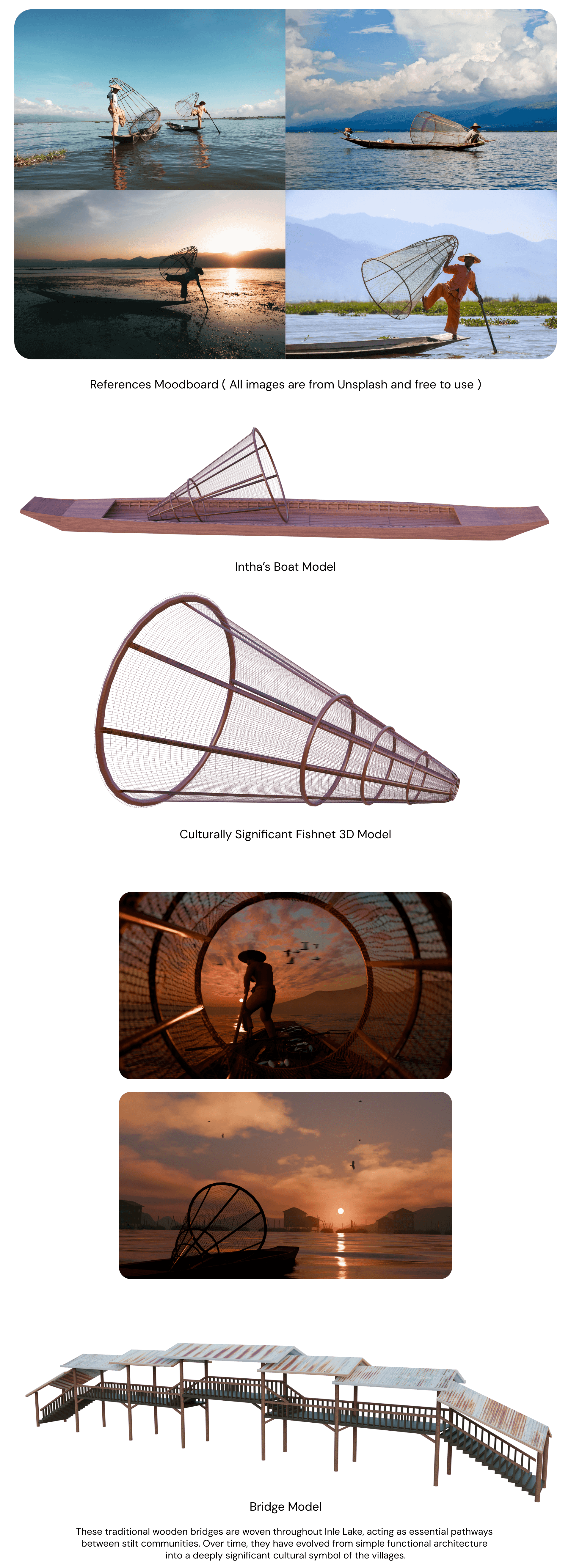
Before creating geometry in digital space, the project began with deep visual and cultural research. This mood board maps the environmental atmosphere, light behavior, and traditional stilt-house architectures of Inle Lake, establishing an authentic visual baseline for the entire project.
Pre-Visualization & Spatial Pacing
I used quick viewport draft animations and low-poly motion tests to map out our transitions early on. Skipping the textures at this stage kept things fast, letting us focus purely on composition, frame timing, and camera heights until the scene layout felt perfectly balanced.
Depth & Composition
This module highlights a specific scene breakdown where I implemented strict grid composition rules. By mathematically dividing the layout into distinct foreground and background layers, I established clear separation and natural depth within the frame, ensuring the storytelling flow felt immersive before committing computational power to full shaders.
Draft Animations
The Production Pipeline
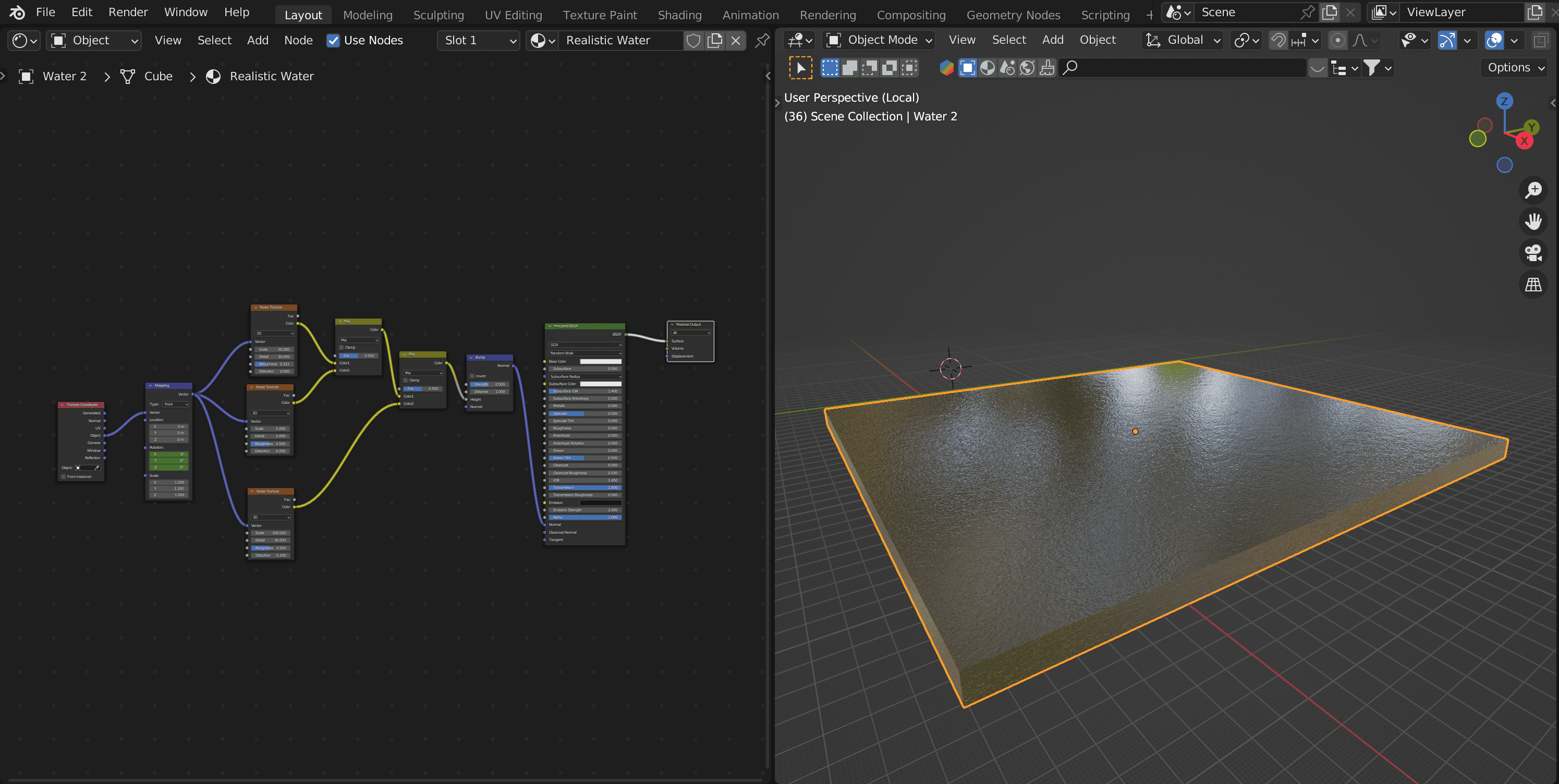
Instead of relying on random asset downloads or loose guessing, the entire environment was built from scratch inside Blender using real-world architectural dimensions and reference blueprints. The case study below tracks the full production cycle: from raw grey-box layout sketching and low-poly 3D modeling, to configuring realistic volumetric fog, handling heavy Cycles rendering outputs to make the environment feel truly alive. Below, I will highlight some of it.
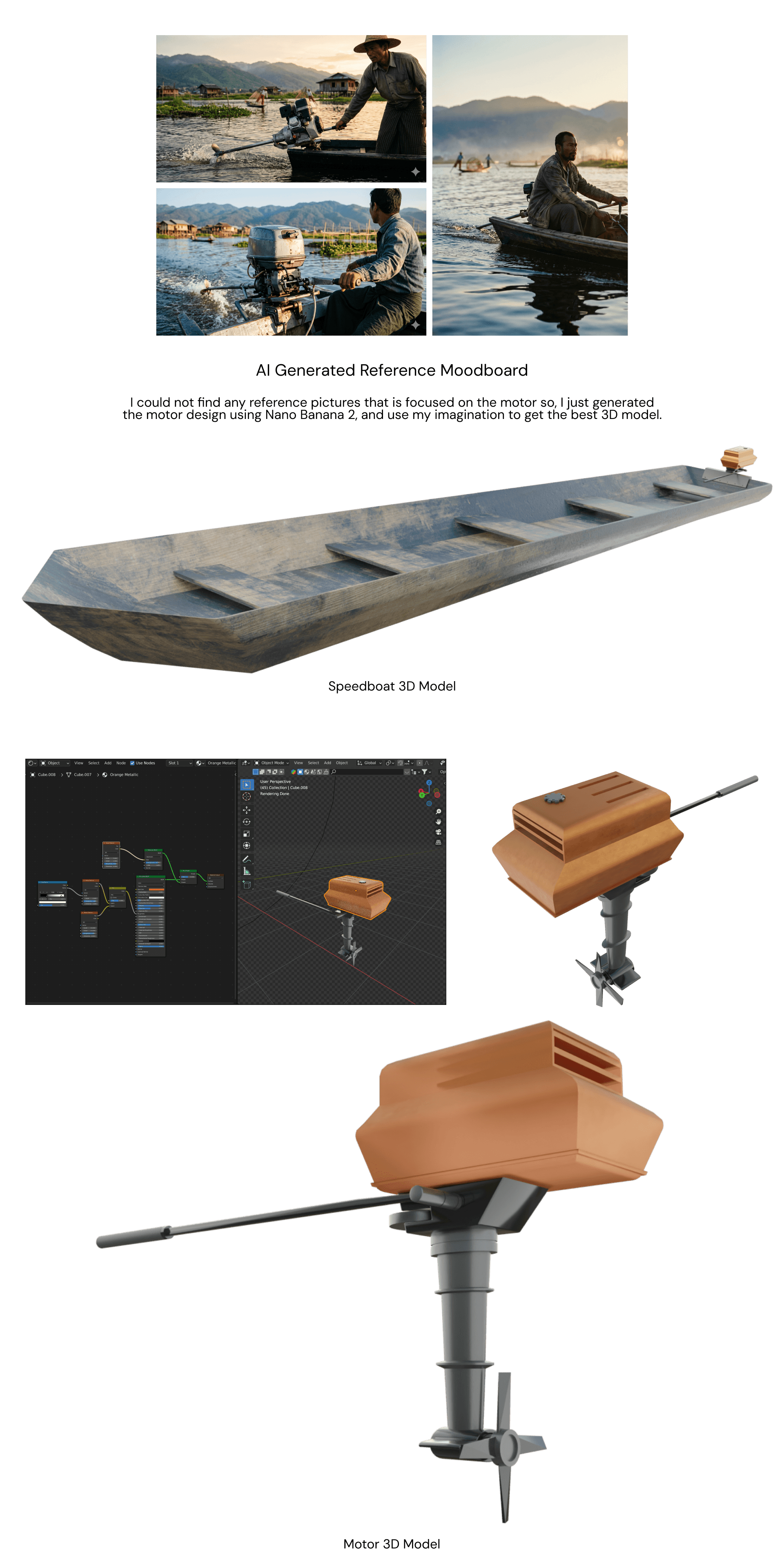
3D Models, Scene Breakdowns and Shader Nodes
Before building geometry in digital space, I wanted to understand the unique human ecosystem of Inle Lake. The lake is home to the Intha people ("Sons of the Lake"), an indigenous community whose entire life is masterfully adapted to the water.
Spatial Adaptations: To navigate the lake’s dense reeds, Intha fishermen developed an iconic, one-legged rowing style. By wrapping one leg around the oar while standing on the stern, they keep their hands completely free to operate their massive, conical bamboo fish nets. This mood board captures the mechanics of their movement, the architecture of their stilt villages, and the textures of their hand-woven nets, ensuring an authentic foundation for the entire 3D world.
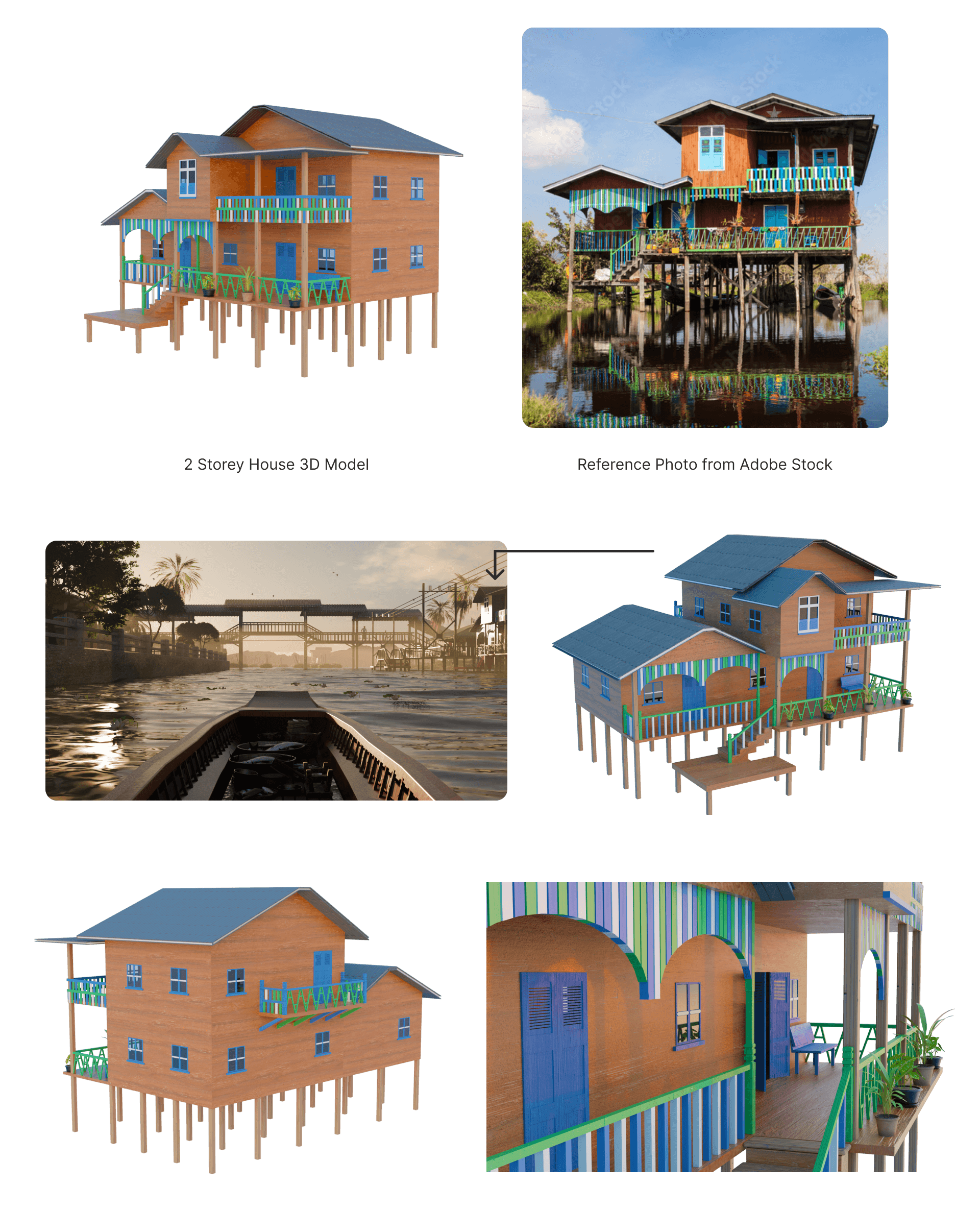
This scene took me about 3 weeks to make with intensive testing and animation drafts. This is the 2nd largest scene in this project. I had to make volumetrics fog, landscapes, all the 3D models from scratch. Zeus helped me out with the animations in this scene. He handle the final production of this scene from fixing minor mistakes to enhancing the environment. The base world model is done by me. The banana plants are photos I downloaded from Freepik, to save the rendering time.